
[이천석의 사설] 대한민국 사법은 왜 국민의 신뢰를 잃었는가 — 정치의 하청으로 전락한 법치
대한민국 사법 시스템은 더 이상 ‘중립적 최후의 보루’라 불릴 자격이 있는가.
오늘의 사법은 법을 해석하는 기관이 아니라, 정치 권력과 이념에 복무하는 집단으로 전락했다는 의심을 받고 있다. 이는 단순한 감정의 문제가 아니다. 수많은 판결, 수사 방향, 기소 선택이 누적되며 형성된 구조적 불신의 결과다.
■ 사법의 정치 종속 — 법은 사라지고 진영만 남았다
사법은 본질적으로 보수적이어야 한다.
여기서 말하는 ‘보수’란 이념이 아니라 절제·신중·예측 가능성이다. 법은 사회의 급격한 변화를 제어하고, 권력의 오남용을 막기 위해 존재한다. 그러나 대한민국 사법은 이 기본 원칙을 스스로 포기했다.
동일한 범죄 혐의에 대해
-
어느 사건은 “정무적 판단”으로 무마되고
-
어느 사건은 “엄정한 법 집행”이라는 이름으로 과잉 처벌된다
이 차이를 가르는 기준은 법 조문이 아니라 정치적 유불리처럼 보인다. 사법이 스스로 정치의 하위 변수로 내려앉은 순간, 법치는 이미 붕괴된 것이다.
■ 판·검사의 자질 문제 — 이념은 넘치고 법리는 빈약하다
더 심각한 문제는 사법 엘리트의 질적 저하다.
판결문은 점점 장황해지지만 논리는 빈약하고, 법리는 후퇴하고 감정적 언사가 이를 대체한다. 판사는 법률가가 아니라 사회운동가처럼 말하고, 검사는 증거보다 ‘메시지’를 먼저 고민하는 듯 보인다.
이는 개인의 일탈이 아니다.
사법 인사 구조, 교육 과정, 승진 시스템 전반이 이념적 동조를 보상하는 방향으로 굳어졌다는 신호다. 그 결과, 독립성과 전문성 대신 정치적 감각이 사법 능력처럼 평가되는 기형적 구조가 고착화되었다.
■ 국제법·미국법 적용 논의가 나오는 이유 — 자존의 문제다
국내 사건임에도 불구하고 “차라리 국제법이나 미국법을 적용하는 편이 낫지 않겠느냐”는 말이 나오는 현실은, 대한민국 법치에 대한 국민적 자존감이 무너졌다는 증거다.
국제질서를 사실상 유지·관리하고 있는 미국의 사법 시스템은
-
정치적 압력으로부터의 거리
-
엄격한 증거 중심주의
-
판결의 예측 가능성
이라는 점에서 최소한의 신뢰를 제공한다. 이는 미국이 완벽해서가 아니라, 사법이 정치로부터 일정 거리 이상 떨어져 있으려는 제도적 노력이 작동하기 때문이다.
반면 대한민국 사법은
정치권의 눈치를 보지 않는 판결이 오히려 ‘용기’로 평가되는 기묘한 상황에 놓여 있다. 정상 국가라면 중립이 기본값이어야 한다.
■ 사법 개혁의 핵심 — 더 진보적으로가 아니라, 더 보수적으로
대한민국 사법이 회복해야 할 방향은 분명하다.
더 진보적으로 갈 필요도, 더 급진적으로 갈 이유도 없다. 오히려 필요한 것은 법 앞에서의 냉정함, 정치와의 거리, 그리고 직업윤리로서의 보수성이다.
-
판결은 메시지가 아니라 결과여야 하며
-
수사는 정의감이 아니라 증거로 말해야 하고
-
사법은 여론이 아니라 헌법에 복종해야 한다
이 기본 원칙을 회복하지 못한다면, 사법은 더 이상 국민 통합의 장치가 아니라 사회 분열의 가속기가 될 것이다.
■ 결론 — 신뢰를 잃은 사법은 권력일 뿐 정의가 아니다
법은 강제력을 가진다.
그러나 신뢰를 잃은 법은 정의가 아니라 폭력에 가까운 권력이 된다.
대한민국 사법이 지금 서 있는 자리는
‘정의의 편’도, ‘국민의 편’도 아니다.
정치의 편, 그리고 자기 보존의 편에 가깝다.
사법이 다시 존중받기 위해 필요한 것은 변명이 아니라 근본적 자기 부정과 구조 개혁이다.
그렇지 않다면, 국제법이나 외국 사법에 기대려는 국민의 시선은 앞으로도 결코 사라지지 않을 것이다.
[대전=더뉴스라인 이천석 대기자]
여러분의 후원(MG새마을금고 9003-3089-9326-6)이 펜의 힘을 높입니다.

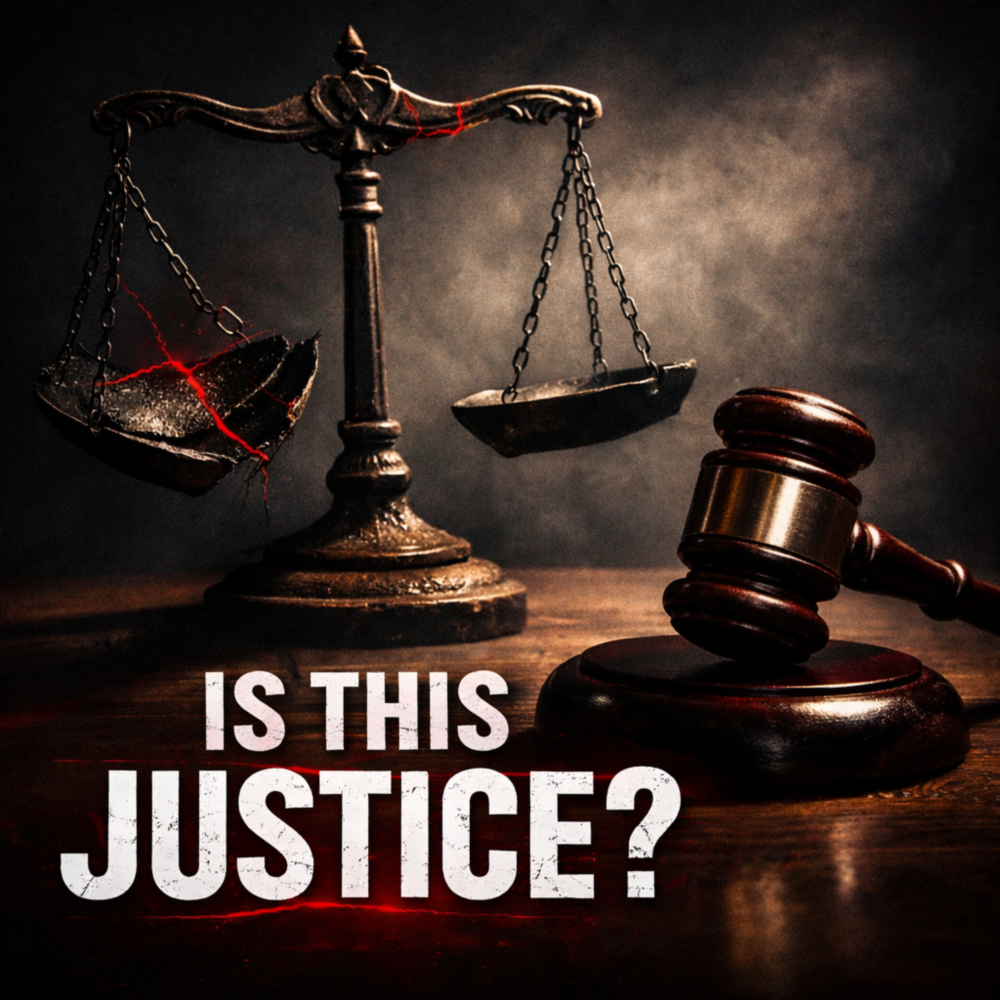
[C.S.Lee's Editorial]
South Korea’s Judiciary: From Guardian of Law to Political Instrument
South Korea’s judicial system is rapidly losing its legitimacy as the final guardian of justice.
What was once expected to function as a neutral and conservative stabilizer of society has increasingly come to resemble a politically subordinated institution, responsive not to law but to power and ideology.
This is not a matter of partisan frustration. It is the cumulative result of selective prosecutions, inconsistent rulings, and overtly political judicial reasoning that have eroded public trust over time.
Justice Should Be Conservative — But Korea’s Is Politicized
A functioning judiciary must be conservative in the truest sense of the word: cautious, restrained, and predictable.
Law exists to limit power, not to amplify it. Yet in South Korea, judicial outcomes too often appear aligned with political convenience rather than legal principle.
Identical offenses are treated differently depending on the defendant’s political alignment.
Some cases are dismissed as “politically sensitive,” while others are pursued with relentless severity under the banner of “justice.”
When legal standards shift with political winds, the rule of law ceases to exist.
Declining Judicial Competence and Ideological Capture
Even more alarming is the apparent decline in judicial professionalism.
Court rulings grow longer, yet weaker in legal reasoning. Prosecutors appear more concerned with narrative framing than evidentiary rigor. Judges increasingly sound like activists rather than jurists.
This is not merely individual failure. It reflects a broader system in which ideological conformity is rewarded over legal excellence, and judicial independence is quietly sacrificed for career security.
Why International or U.S. Legal Standards Are Even Mentioned
That citizens now openly suggest applying international law or even U.S. legal standards to domestic Korean cases should be a national embarrassment.
The appeal of foreign legal systems does not lie in their perfection, but in their distance from political retaliation, strict evidentiary rules, and relative predictability.
In contrast, South Korea has reached a point where a neutral ruling is praised as “brave” — a term that should never be necessary in a functioning democracy.
Neutrality should be the default, not the exception.
The Path Forward: Less Ideology, More Law
Judicial reform does not require greater progressivism or radical experimentation.
It requires a return to fundamentals:
-
Verdicts based on evidence, not political messaging
-
Prosecutions grounded in law, not moral posturing
-
Courts loyal to the Constitution, not public opinion
Without this correction, the judiciary will no longer unify society but will instead accelerate division and resentment.
Conclusion: Power Without Trust Is Not Justice
Law carries force.
But law without trust is no longer justice — it is coercion.
South Korea’s judiciary now stands at a crossroads.
Unless it undertakes genuine structural reform and ideological self-restraint, public confidence will continue to collapse.
And when citizens look abroad for fairness, it is not because they reject sovereignty —
it is because their own system has failed to earn their faith.
- SNS의 15초 자극과 속도전 너머 진실을 보는 혜안(慧眼)
- 거짓말이 지닌 무서운 파괴력
- "북핵은 방어 무기", " 이대통령은“北 대변인인가”
- 3군 사관학교 통합·폐교, 정말 신중해야 하는 이유
- “미국의 은혜를 잊지 맙시다.”
- 사과는 진실해야
- 국민연금 182조 원 평가액 감소, 이재명 대통령은 책임에서 자유로운가? - 주가 상승은 정권의 치적, 하락 위험은 시장 탓
- 청년의 미래를 담보로 한 포퓰리즘의 끝 ― 돈은 오늘 뿌리고, 청구서는 내일 청년에게 보내는 이재명식 정치경제학
- 스님은 절 싫으면 떠나는 법
- 이재명 정부의 보은 코드인사가 심각하다.
- 노인복지 혜택은 늘었는데, 왜 노인 빈곤은 더 심할까?
- 관계를 끊어야 할 사람, 이어가야 할 사람,
- 대한민국 정치 난맥, 이제는 권한의 구조를 바꿔야 할 때 - 대립과 독점의 정치에서 견제와 협치의 정치로
- 천사의 손길 후원자 감사축제, 천사가 주인공이었나
- 무엇이 국익을 위한 것인가 ‘자주 대 동맹’ 논쟁에 멍드는 실용외교
- 호국 국민들이여, 안보 앞에서 깨어나자
- “‘덕담’ 말은 씨가 되어 되돌아온다.”
- “간디의 명언과 유명한 일화”
- 5·18 유공자 명단, 감출수록 커지는 의혹 - 명확한 공개로 의혹을 해소하고 명예를 드높여라.
- 불협화음 깊어질수록 신뢰는 무너지고 공동체는 흔들린다



금주의 핫뉴스