



몰락하는 시진핑, 다음은 한국?
작성일 : 2026-02-09 11:40 수정일 : 2026-02-21 18:06 작성자 : 이 천석 대기자 (cheonsuk@gmail.com)
[이천석의 사설] 붕괴의 전조 — 시진핑 체제는 이미 내부에서 금이 가고 있다
최근 중국 공산당 지도부를 둘러싼 정황은 더 이상 “일시적 소문”의 영역에 머물지 않는다. 상무위원회에서 장유샤 관련 제명 결의에 반대 기류가 공개적으로 포착됐다는 관측, 그리고 그 이후 이어진 군부 인사 동향은 하나의 방향을 가리킨다. 최고지도자의 통제력이 더 이상 무조건적이지 않다는 신호다.
중국 정치에서 상무위원회는 단순한 합의 기구가 아니다. 그것은 곧 권력의 온도계다. 이곳에서 이견이 노출됐다는 정황 자체가, 이미 내부 권력 균형이 흔들리고 있음을 암시한다.
친인척 비리 의혹 — ‘무오류 지도자’ 신화의 붕괴
해외 중화권 매체와 일부 정보기관 분석가들 사이에서는 오래전부터 시진핑 친인척 및 측근 라인을 둘러싼 비리 의혹이 반복적으로 제기돼 왔다. 부동산·금융·에너지 부문에서의 특혜, 차명 자산 관리, 해외 자산 은닉 가능성 등은 공식적으로 확인된 바 없지만, 중요한 것은 의혹의 존재 자체가 더 이상 통제되지 않고 유통되고 있다는 사실이다.
시진핑 체제는 반부패를 정당성의 핵심 기둥으로 삼아왔다. 그런데 바로 그 반부패 프레임이 친인척과 핵심 측근에게는 적용되지 않는다는 인식이 확산되는 순간, 체제의 도덕적 우위는 급격히 무너진다. 권위주의 체제에서 ‘위선’은 가장 치명적인 독이다.
군부의 이탈 조짐 — 권력 붕괴의 결정적 변수
중국 현대 정치에서 정권의 존속을 가르는 마지막 변수는 언제나 군부였다. 당과 정부가 흔들려도 군이 붙잡고 있으면 체제는 연명한다. 반대로, 군 내부에 균열이 생기면 그 순간부터 권력은 시간 문제가 된다.
최근 군 고위층을 둘러싼 잦은 인사 교체, 설명되지 않는 실각, 그리고 특정 인사에 대한 처리가 상무위원회에서조차 일사불란하지 않다는 정황은, 군이 더 이상 단일한 정치 의지 아래 움직이지 않을 가능성을 보여준다. 이는 충성의 문제라기보다 생존 계산의 변화다. 군은 늘 가장 늦게 움직이지만, 움직이기 시작하면 가장 빠르게 체제를 바꾼다.
인민 봉기는 결과이지 원인이 아니다
일각에서는 “중국에서 인민 봉기는 불가능하다”고 말한다. 감시 기술, 공안력, 정보 통제를 근거로 든다. 그러나 역사는 정반대를 보여준다. 대중 봉기는 항상 엘리트 분열 이후에 나타난다. 민심은 원인이 아니라, 권력 붕괴를 가시화하는 최종 단계다.
현재 중국 사회에는 이미 충분한 연료가 쌓여 있다. 청년 실업, 부동산 붕괴, 지방정부 재정 위기, 중산층 자산 증발은 더 이상 선전으로 가릴 수 없는 수준이다. 만약 군과 지도부 내부에서 “더 이상 이 지도자와 함께 가는 것이 위험하다”는 판단이 확산된다면, 민심은 통제 대상이 아니라 방아쇠가 될 수 있다.
몰락은 쿠데타가 아니라 ‘탈출 러시’로 온다
시진핑의 몰락은 탱크와 총성으로 시작되지 않을 가능성이 크다. 오히려
-
핵심 인사들의 침묵,
-
책임 떠넘기기,
-
충성 경쟁의 급속한 식음,
-
그리고 “우리는 몰랐다”는 집단적 거리두기
라는 형태로 진행될 것이다.
이 과정이 시작됐다는 징후가 바로 상무위원회 내 공개적 반대 기류, 친인척 비리 의혹의 재부상, 군부의 미묘한 이탈이다. 이것은 단일 사건이 아니라 연결된 흐름이다.
결론 — 체제는 아직 서 있지만, 이미 무너지고 있다
지금의 중국은 겉으로는 여전히 강력해 보인다. 그러나 권력은 외형이 아니라 신뢰와 공포의 균형으로 유지된다. 그 균형이 무너지는 순간, 체제는 순식간에 공허해진다.
시진핑이 당장 실각하지 않을 수도 있다. 그러나 그가 구축한 개인 권력 집중 모델은 이미 임계점을 넘고 있다는 것이 보다 냉정한 진단이다. 역사는 이런 순간을 이렇게 기록해 왔다.
“그는 아직 자리에 있었지만, 아무도 더 이상 그의 편이 아니었다.”
[대전=더뉴스라인 이천석 대기자]
여러분의 후원(MG새마을금고 9003-3089-9326-6)이 펜의 힘을 높입니다.

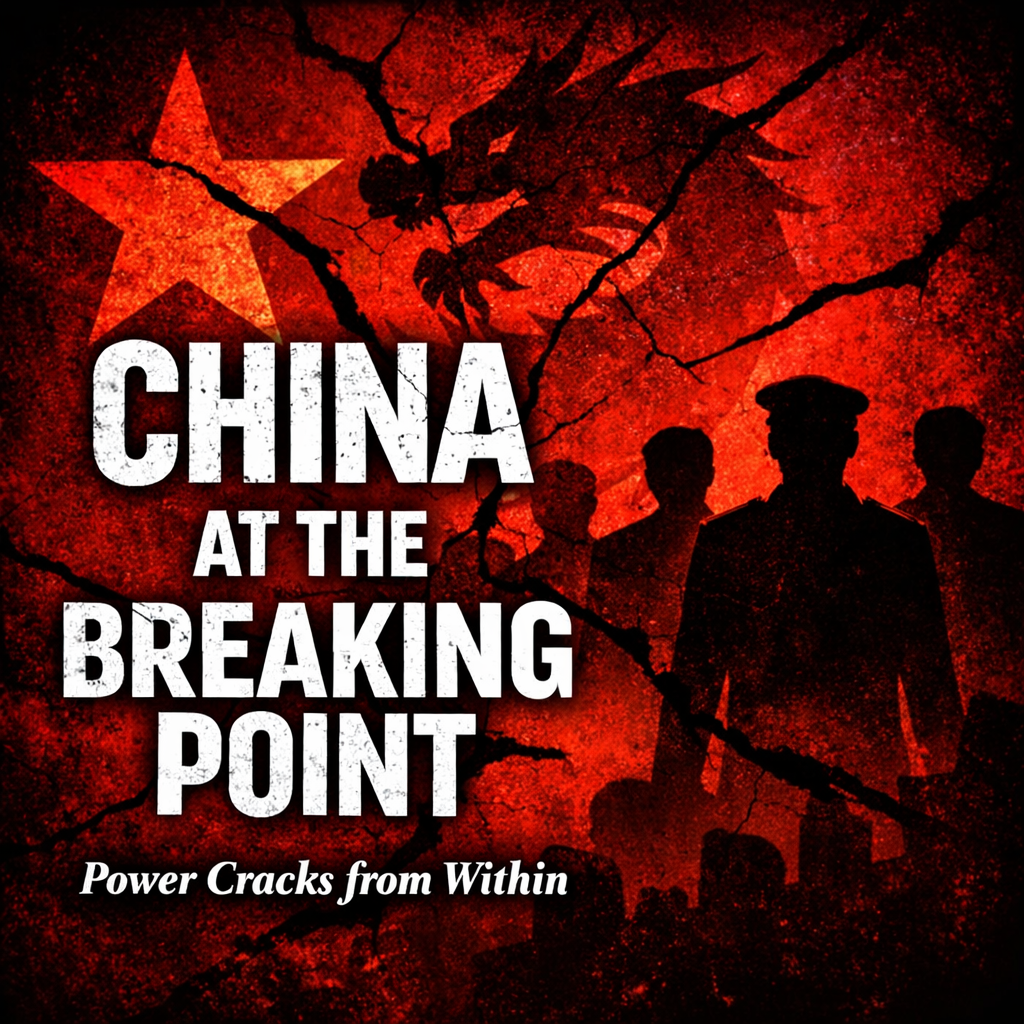
[C.S.Lee's Editorial]
China’s Gathering Storm: When Power Begins to Fracture from Within
In authoritarian systems, collapse rarely begins with public revolt.
It begins quietly — inside the ruling elite.
Recent political signals emerging from Beijing suggest that the foundations of centralized power are no longer as solid as they appear. Reports of resistance within top decision-making circles, combined with unresolved controversies involving senior military figures, point to something far more consequential than routine internal disagreement: a weakening ability to enforce absolute authority.
For years, China’s political stability has rested on one core principle — the concentration of power in a single center, enforced by discipline, fear, and control. When that center loses its capacity to impose unanimous obedience, the system enters a dangerous phase. Not collapse yet, but irreversible erosion.
The Corruption Paradox
The legitimacy of strongman rule depends on moral superiority. Anti-corruption campaigns are not merely legal exercises; they are instruments of political survival. When allegations of financial misconduct, preferential access, or hidden wealth begin to surround the leader’s own family and inner circle — whether proven or not — the narrative collapses.
In authoritarian politics, perception is often more damaging than evidence.
Once elites begin to believe that rules apply selectively, loyalty becomes transactional, not ideological.
The Military Factor
No regime survives without the armed forces.
History shows that when the military begins to hesitate — not openly rebel, but quietly distance itself — the clock starts ticking.
Unusual personnel changes, stalled disciplinary actions, and visible disagreement at the highest levels suggest that unity within the command structure can no longer be taken for granted. Militaries do not abandon leaders out of emotion; they do so out of calculation. When loyalty becomes riskier than neutrality, withdrawal begins.
Popular Uprising Is the Final Stage, Not the First
Public unrest does not cause elite fractures — it exposes them.
Economic stagnation, youth unemployment, collapsing property values, and local government debt have created widespread social pressure. Under normal circumstances, these pressures can be contained. But when political authority weakens at the top, social frustration turns into momentum.
Mass movements succeed only when power holders lose confidence in one another.
Decline Without Drama
If this system unravels, it will not resemble a dramatic revolution. There will be no single announcement, no decisive moment. Instead, it will manifest as silence, hesitation, avoidance of responsibility, and a sudden rush among elites to distance themselves from the center.
This is how strongman systems end — not with gunfire, but with abandonment.
Conclusion
China has not yet entered open crisis.
But it may already have crossed the point of return.
When absolute authority can no longer guarantee absolute obedience, the illusion of permanence dissolves. What remains is a fragile structure held together by habit rather than conviction.
History is clear on one point:
Power does not fall when the people rise — it falls when no one is willing to defend it anymore.
칼럼 최신 기사
- 대전의 미래, 이제는 ‘계획’이 아니라 ‘완성’의 시간 - 이장우 시정의 추진력이 만든 변화와 다음 4년의 선택
- AI의 적정 주가, 3800대
- 성과급 논란... 우리나라는 사회주의가 아니다.
- 안동에서 정상회담, 과연 이재명답다!!!
- 선거의 진짜 승부처, 단톡방과 SNS에서 결정
- 댓글 하나가 당락 가른다… 초박빙 6.3 지방선거의 승부처는 ‘소통’
- 〈대전시 중구 10대 핵심 현안 분석〉 교통편 막히는 도시를 뚫어야 중구의 미래가 열린다
- AI 시대의 정치 홍보, 이제는 “확장력”이 승패를 결정
- 투표(投票)는 바람에 흔들리지만 유권자의 본심(本心)은 변하지 않는다
- 〈대전시 중구 10대 핵심 현안 분석〉 제4탄 정치·행정편 말보다 결과가 필요한 중구, 이제 실행이 관건
- 검사가 어쩌다 이지경까지 왔나
- AI 시대에 걸맞은 선거제도 개선이 필요, 이제는 ‘금지의 선거’와 결별할 때
- 〈대전시 중구 10대 핵심 현안 분석〉 제3탄 문화·예술편 도시는 결국 문화, ‘대전 중구’ 다시 문화도시로 살아나야 한다.
- 로또1등당첨! 삼성전자 초기업 노조원들
- 미워도 국민의힘, 민주당은 절대 안된다!!!
- 〈대전시 중구 10대 핵심 현안 분석〉 제2탄 경제편 원도심 경제 회복은 도시 생존의 문제, 대전 중구 경제의 위기
- 청년이 머무는 도시, 교육이 미래가 되는 대전
- 소통과 공감이 만들어낸 작은 행운, 목욕탕의 효자손
- "국회의장은 조정식" 李대통령, SNS에 지지자 글 공유…경선 개입
- 악의 집권, 악의 축이 되나?