



앱스타인과 악마의 국내언론
작성일 : 2026-02-13 09:58 수정일 : 2026-02-21 12:53 작성자 : 이 천석 대기자 (cheonsuk@gmail.com)
[이천석의 사설] 트럼프를 엮으려는 보도 — 국내 언론은 무엇을 노리는가
‘앱스타인 파일’ 공개는 분명 충격적인 사건이다.
Jeffrey Epstein이 구축한 권력 네트워크와 성범죄 의혹은 철저히 규명되어야 한다.
최근 대부분, 특히 좌파 국내 언론은 문건에 등장하는 이름의 맥락, 등장 빈도, 실제 법적 연루 여부를 종합적으로 설명하기보다는, 자극적인 제목과 암시적 문장을 통해 특정 정치인—특히 Donald Trump—을 사건과 직접적으로 연결하려는 인상을 주는 보도를 반복하고 있다.
■ ‘이름 등장’과 ‘범죄 연루’는 다르다
문건에 이름이 있다는 것과 범죄 가담 사실이 입증됐다는 것은 전혀 다른 문제다.
이메일 인용, 과거 사교적 접촉, 단순 언급 등은 법적 책임과 동일선상에 놓일 수 없다.
그럼에도 불구하고, 이러한 보도는 이러한 구분을 의도적으로 흐린다.
‘연루 의혹’이라는 표현을 반복 노출시키며 독자의 인식을 특정 방향으로 유도하는 것이다.
이것이야말로 여론 조작의 고전적 기법이다.
■ 선택적 강조, 침묵의 편집
사건 파일에는 민주당 관련 인사들이 대부분이다.
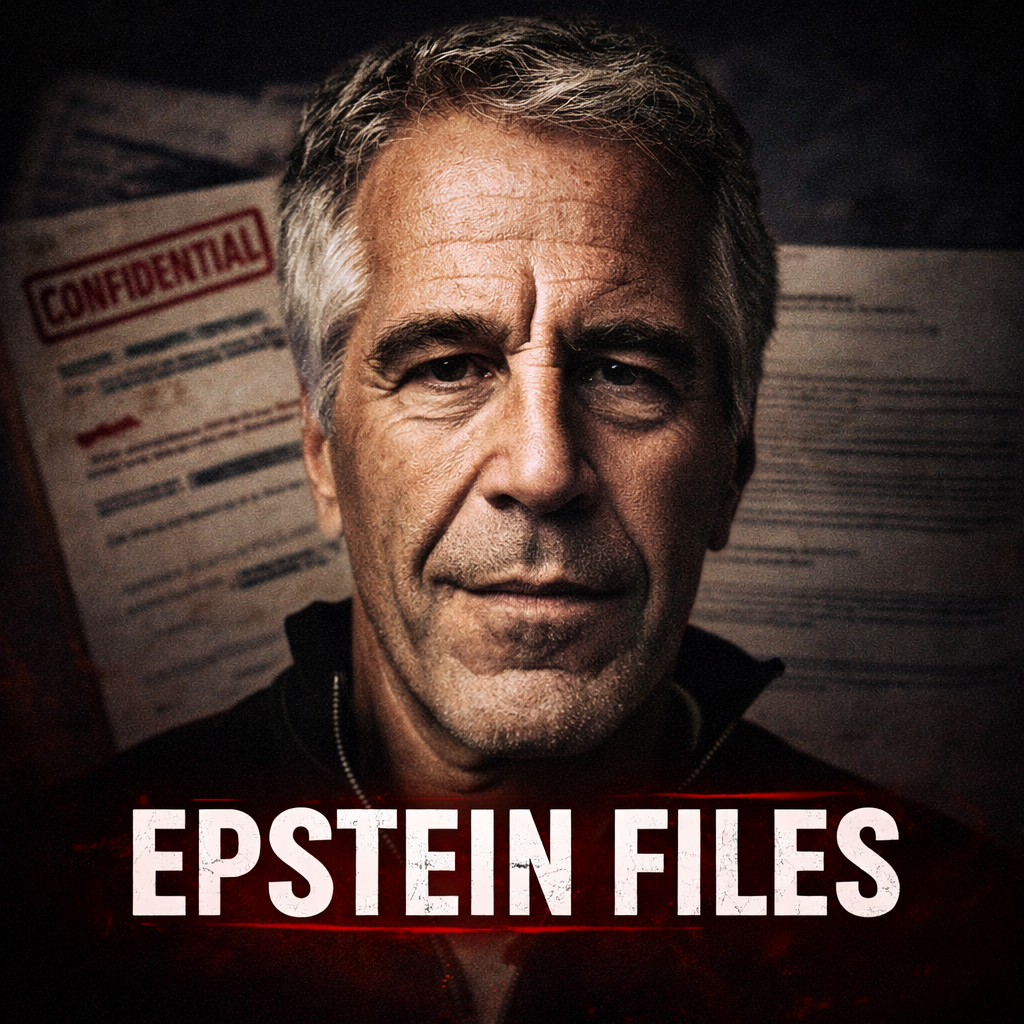
그러나 이러한 특정 정치 스펙트럼과 연결된 인물은 상대적으로 축소하거나 배경 설명에 묻어두고, 한 인물만을 제목과 썸네일에 반복 배치하는 방식은 명백한 편집의 선택이다.
언론은 단순 전달자가 아니다.
어떤 이름을 헤드라인에 올릴지, 어떤 사진을 사용할지, 어떤 문장을 첫 문단에 배치할지에 따라 독자의 판단은 달라진다.
그렇다면 이것은 정보 전달인가, 이미지 설계인가?
■ 반(反)트럼프 정서에 기대는 클릭 장사
한국 언론이 미국 정치의 복잡한 맥락을 깊이 있게 설명하기보다는, 국내 독자층의 감정적 반응을 자극할 수 있는 인물 중심 프레임을 택하는 것은 새로운 일이 아니다.
하지만 국제 범죄 사건까지 정치적 구도에 끼워 맞추는 행태는 저널리즘의 수준을 스스로 낮추는 일이다.
확정되지 않은 문건 일부를 확대 해석하여
‘연결 고리’라는 인상을 반복 주입하는 방식은
결국 사실이 아니라 이미지 정치를 강화할 뿐이다.
■ 언론이 스스로 신뢰를 무너뜨릴 때
언론의 가장 강력한 자산은 신뢰다.
그 신뢰는 균형, 맥락, 절제에서 나온다.
만약 특정 인물에 대한 부정적 인식을 강화하기 위해
사건을 선별적으로 해석하고
자극적으로 편집하며
법적 확정 이전에 도덕적 낙인을 찍는다면
그 순간 언론은 감시자가 아니라 정치 행위자가 된다.
결론
앱스타인 사건은 정치 공방의 도구가 되어서는 안 된다.
그렇지만 민주당 인사들이 주를 이루는 사실에 근거한 냉정한 분석이 선행되어야 한다.
국내 언론이 지금 해야 할 일은
트럼프를 공격하는 것이 아니라,
사건의 본질을 정확히 전달하는 것이다.
그렇지 않다면,
‘가짜뉴스’라는 비판은 외부의 공격이 아니라
언론 스스로가 만든 자화상이 될 것이다.
[대전=더뉴스라인 이천석 대기자]
여러분의 후원(MG새마을금고 9003-3089-9326-6)이 펜의 힘을 높입니다.

[Lee Cheonsuk’s Editorial] Reporting That Seeks to Tie Trump to the Case — What Are Korean Media Outlets Aiming For?
The release of the “Epstein files” is undeniably shocking.
The power network and sexual crime allegations surrounding Jeffrey Epstein must be thoroughly investigated.
However, many domestic media outlets—particularly those on the left—appear less interested in explaining the context, frequency of mentions, or actual legal implications of the names appearing in the documents. Instead, they repeatedly publish headlines and suggestive phrasing that create the impression of directly linking a specific political figure—especially Donald Trump—to the case.
■ “Name Mentioned” Is Not the Same as “Criminal Involvement”
The mere appearance of a name in a document is fundamentally different from proof of criminal participation.
An email citation, a past social encounter, or a simple mention cannot be equated with legal responsibility.
Yet much of the coverage deliberately blurs this distinction.
By repeatedly exposing readers to phrases like “alleged connection” or “ties to,” media framing subtly steers public perception in a predetermined direction.
This is a classic technique of narrative shaping.
■ Selective Emphasis, Strategic Silence
The files reportedly contain numerous names, including figures associated with Democratic circles.
However, individuals connected to a particular political spectrum often receive reduced emphasis or are buried within contextual explanations, while one figure is prominently displayed in headlines and thumbnails.
The press is not merely a transmitter of information.
Which name appears in the headline, which photo is selected, and which sentence opens the article all influence reader judgment.
At that point, is this information delivery—or image construction?
■ Click-Driven Framing Built on Anti-Trump Sentiment
Rather than offering a nuanced explanation of complex American political contexts, some Korean outlets seem to prefer a personality-centered frame that maximizes emotional reaction among domestic readers.
But fitting an international criminal case into a domestic political narrative lowers journalistic standards.
Expanding and repeatedly emphasizing unverified document excerpts to create an impression of a “link” reinforces image politics—not factual clarity.
■ When the Media Undermines Its Own Credibility
The media’s most powerful asset is trust.
Trust is built on balance, context, and restraint.
If coverage selectively interprets events, edits provocatively, and imposes moral condemnation before legal conclusions are established,
the press ceases to be a watchdog and becomes a political actor.
Conclusion
The Epstein case should not become a political weapon.
What is required first is a calm and fact-based analysis of all individuals mentioned, regardless of political affiliation.
The role of domestic media is not to attack a particular figure, but to accurately convey the substance of the case.
Otherwise, accusations of “fake news” will not be external attacks—
they will be a reflection of the media’s own making.
칼럼 최신 기사
- 대전의 미래, 이제는 ‘계획’이 아니라 ‘완성’의 시간 - 이장우 시정의 추진력이 만든 변화와 다음 4년의 선택
- AI의 적정 주가, 3800대
- 성과급 논란... 우리나라는 사회주의가 아니다.
- 안동에서 정상회담, 과연 이재명답다!!!
- 선거의 진짜 승부처, 단톡방과 SNS에서 결정
- 댓글 하나가 당락 가른다… 초박빙 6.3 지방선거의 승부처는 ‘소통’
- 〈대전시 중구 10대 핵심 현안 분석〉 교통편 막히는 도시를 뚫어야 중구의 미래가 열린다
- AI 시대의 정치 홍보, 이제는 “확장력”이 승패를 결정
- 투표(投票)는 바람에 흔들리지만 유권자의 본심(本心)은 변하지 않는다
- 〈대전시 중구 10대 핵심 현안 분석〉 제4탄 정치·행정편 말보다 결과가 필요한 중구, 이제 실행이 관건
- 검사가 어쩌다 이지경까지 왔나
- AI 시대에 걸맞은 선거제도 개선이 필요, 이제는 ‘금지의 선거’와 결별할 때
- 〈대전시 중구 10대 핵심 현안 분석〉 제3탄 문화·예술편 도시는 결국 문화, ‘대전 중구’ 다시 문화도시로 살아나야 한다.
- 로또1등당첨! 삼성전자 초기업 노조원들
- 미워도 국민의힘, 민주당은 절대 안된다!!!
- 〈대전시 중구 10대 핵심 현안 분석〉 제2탄 경제편 원도심 경제 회복은 도시 생존의 문제, 대전 중구 경제의 위기
- 청년이 머무는 도시, 교육이 미래가 되는 대전
- 소통과 공감이 만들어낸 작은 행운, 목욕탕의 효자손
- "국회의장은 조정식" 李대통령, SNS에 지지자 글 공유…경선 개입
- 악의 집권, 악의 축이 되나?